
How Long Does Probate Take in Oklahoma? A Step-by-Step Timeline
Most Oklahoma probates take between two months and one year. An estate valued at $200,000 or less usually qualifies for summary administration and can be closed in roughly two to three months. An estate above that threshold goes through traditional probate, which typically runs six months to a year, and longer when real estate in multiple counties, mineral interests, or a family disagreement is involved. If the estate is small enough and holds no real property, a small estate affidavit can transfer assets in about ten days without any court case at all.
That is the short answer. The longer answer matters, because the single biggest factor in how long you wait is which of the three paths the estate qualifies for, and that is decided in the first week. Below is what each path looks like, deadline by deadline, so you know what is coming and where the calendar can slip.
The Three Ways an Oklahoma Estate Gets Settled
Oklahoma has not adopted the Uniform Probate Code, so the process here is more formal than in several neighboring states. Probate is governed by Title 58 of the Oklahoma Statutes, and the case is filed in the district court of the county where the person lived at the time of death. If they lived out of state, the case is filed where the property sits.
There are three routes, and they are not interchangeable. Each one has its own qualifying test and its own realistic timeline.
Small Estate Affidavit: About Ten Days
This is not probate. It is a sworn document, signed in front of a notary, that a bank or other institution accepts in place of a court order. Under 58 O.S. Section 393, it is available when at least ten days have passed since the date of death, the fair market value of the Oklahoma property passing under the will or by intestate succession is $50,000 or less after liens are subtracted, and no one has applied to be appointed personal representative anywhere.
The catch is what it cannot do. A small estate affidavit does not transfer real estate. If the person owned a house, a rental, or mineral interests in their own name, this route is closed and one of the two court processes below applies.
Summary Administration: Two to Three Months
Summary administration is a real court proceeding, just a compressed one. Under 58 O.S. Section 245, an estate qualifies if any one of three conditions is met: the estate is valued at $200,000 or less, the person has been deceased for more than five years, or the person lived outside Oklahoma at the time of death.
Any one of the three is enough. That second condition is worth reading twice, because families often assume that waiting years to open a probate has cost them something. Sometimes the delay is what qualifies the estate for the faster track.
Traditional Probate: Six Months to a Year, Sometimes Longer
If the estate exceeds $200,000 and none of the alternate conditions apply, traditional probate is the default. It involves multiple hearings, a full creditor notice period, and court supervision from the first filing to the final discharge. Six months is the realistic floor. Nine to fourteen months is common when real estate or business interests are in the mix.
Why the Path Decision Is Worth Getting Right
Choosing the wrong track is one of the few probate mistakes that costs both time and money at once. Filing a traditional probate on an estate that qualified for summary administration means additional hearings, a longer notice period, and months of avoidable waiting. If the estate value is anywhere near $200,000, the valuation deserves careful attention before anything is filed.
One point families frequently miss: the threshold is measured against the probate estate. Property held in joint tenancy with right of survivorship, accounts with a named beneficiary, and assets already titled in a trust are not part of the probate estate and do not count toward the $200,000. An estate that looks far too large on paper often qualifies once those assets are set aside.

Summary Administration Timeline, Step by Step
This is the path most Oklahoma families we work with end up on. Here is what the calendar actually looks like.
Week 1 to Week 2: Filing the Petition
The petition for summary administration has to state which of the three qualifying conditions applies and why. It identifies the heirs, describes the property, addresses whether there is a will, and asks the court for specific relief. Filed correctly, it can ask the judge to handle everything in a single combined hearing: admit the will, appoint the personal representative, approve the final accounting, determine the heirs, order distribution, and discharge the representative.
What holds this step up is almost never the court. It is document gathering. The original will, a certified death certificate, current addresses for every heir, a working list of assets, and deeds for any real property all need to be in hand before the petition is worth filing.
Week 2 to Week 7: Combined Notice Period
The court issues a combined notice covering creditors and the final hearing. It is published in a newspaper of general circulation once a week for two consecutive weeks, and it is mailed directly to known creditors and to every interested party. Creditors then have a set window from the date of first publication to present their claims, and claims that miss it are barred.
This period is set by statute and by the newspaper's publication schedule. No amount of urgency shortens it. What you can control is that it starts promptly, which is why the filing week matters more than most families expect.
Week 2 to Week 8: The Actual Estate Work
While the notice runs, the personal representative does the substantive work: securing and inventorying assets, opening an estate bank account, obtaining a federal tax identification number for the estate, getting valuations where they are needed, reviewing claims as they arrive, and preparing the final accounting. Because summary estates are smaller by definition, this usually moves faster than the notice period itself.
Week 7 to Week 13: Final Hearing and Distribution
The final hearing is the whole case in one appearance. If the paperwork is in order and no one objects, the judge admits the will, confirms the personal representative, resolves any claims that came in, approves the accounting, determines the heirs and their shares, orders distribution, and discharges the representative. Uncontested, that hearing often takes fifteen minutes.
After the order is entered, the representative distributes the assets, collects a receipt from each beneficiary, and files the final report. The case is closed.
Realistic Totals for Summary Administration
- Best case: roughly 60 days, with a simple estate, cooperative heirs, and a docket that cooperates
- Typical case: two to three months
- Slower case: three to five months, when a creditor disputes a claim or a hearing gets continued
Traditional Probate Timeline, Step by Step
Traditional probate follows the same arc with more stops along the way.
Days 1 to 14: Petition and Filing
The person named as executor in the will, or a close family member if there is no will, petitions the district court to admit the will and appoint a personal representative. Same document list as above, and the same rule applies: gathering is the bottleneck, not filing.
Days 14 to 45: Notice and First Hearing
The court sets a hearing generally ten to thirty days out. Notice of that hearing is published and mailed to all heirs and beneficiaries. At the hearing, assuming no objection, the court admits the will, appoints the personal representative, and issues letters testamentary. If there is no will, the court appoints an administrator and issues letters of administration. The role is the same either way.
Those letters are the turning point. Until they are issued, no one has legal authority to move estate money, sign for estate property, or deal with a bank on the estate's behalf.
Days 45 to 105: Notice to Creditors
This is the longest single block in a traditional probate, and it is driven entirely by statute. Under 58 O.S. Section 331, the personal representative must file notice to creditors within two months after the letters are issued. First publication has to appear on or before the tenth day after that notice is filed, and it runs once a week for two consecutive weeks. Known creditors are also notified by direct mail.
The presentment date stated in the notice has to be at least two months out from the filing date. In practice it is often set a little further out to absorb publication scheduling. Claims not presented by that date are generally barred, and Oklahoma courts take the deadline seriously. That cutoff is one of the real benefits probate delivers to a family: it closes the door on old debts that could otherwise resurface years later.
Days 60 to 120: Inventory and Appraisement
The personal representative files a sworn inventory of everything the person owned at death, valued as of the date of death. Real estate, mineral interests, business equity, and unusual personal property usually need a professional appraisal. Cash and securities can be valued from statements. The inventory sets the tax basis heirs inherit, so it deserves more care than it typically gets.
Days 105 to 180: Claims and Administration
Once the presentment date passes, every claim gets approved or rejected. Approved claims are paid in the statutory priority order if the estate is short on cash. Rejected claims can be litigated, and a creditor willing to fight can add months.
Alongside that, the representative keeps the estate running: mortgage payments and property taxes on real estate, insurance kept current, rental property or business operations managed, and any pending litigation handled.
Days 180 to 365: Final Accounting and Distribution
The representative files a final accounting documenting every dollar in and out. A hearing is set and noticed to all interested parties. At that hearing the court approves the accounting, determines the heirs and their shares, and orders distribution. Assets go out, receipts come back, a final report is filed, and the representative is discharged.
Realistic Totals for Traditional Probate
- Simple estate with cash, securities, one residence, and cooperative heirs: six to nine months
- Moderate estate with real property in more than one county or a business interest: nine to fourteen months
- Complex estate with a contested will, mineral title problems, or out-of-state property: a year to two years, occasionally longer
What Actually Slows an Oklahoma Probate Down
Some delay is structural and cannot be avoided. The rest is worth knowing about in advance.
A Will Contest
If an heir challenges the will on grounds of undue influence, lack of capacity, improper execution, or fraud, the administration effectively pauses while the contest is litigated. A contest can add six months on the short end and years on the long end. Careful estate planning during life, including clear documentation of capacity at signing, is the most reliable protection against one.
Real Estate in Another State
Property in another state requires an ancillary probate opened there, running on its own schedule. The Oklahoma case usually cannot close until the ancillary matter resolves.
Mineral Interests and Suspended Royalties
Oklahoma estates frequently include mineral or royalty interests, and they carry their own complications. Mineral title can require running the chain back decades, particularly for interests that have passed through several generations without a probate. Operators typically suspend royalty payments once an owner dies and will not release the suspended funds until they receive a final order showing who is entitled to them. That work is worth starting early rather than at the end.
Heirs Who Cannot Be Located
When an heir is missing, the personal representative has to make diligent efforts to find them before the court will approve distribution. Long-running estates with a large number of heirs are the extreme version of this problem, and they are the reason some Oklahoma probates run for years rather than months.
Heirs Who Simply Disagree
No formal contest is required for a family disagreement to stall a case. Arguments over who should serve, what a property is worth, or whether an asset should be sold or kept produce delayed decisions and missed deadlines. Most of it is preventable with regular communication, which is why we send interested parties updates rather than waiting for them to ask.
Federal Estate Tax
This affects very few estates, since the federal exemption is high, but an estate that owes federal estate tax cannot fully close until the return is processed and the closing letter issues. That can add a year or more. Oklahoma itself has no estate tax and no inheritance tax, so there is no state-level equivalent to wait on.
County by County in the Oklahoma City Metro
Probate is a county-level proceeding, and Oklahoma has seventy-seven district courts. The statutory deadlines are identical everywhere. What differs is how often the probate docket is called, how quickly a hearing can be set, and how a particular judge prefers matters to be presented. That variation is not written down anywhere, and it is a real part of how long a case takes.
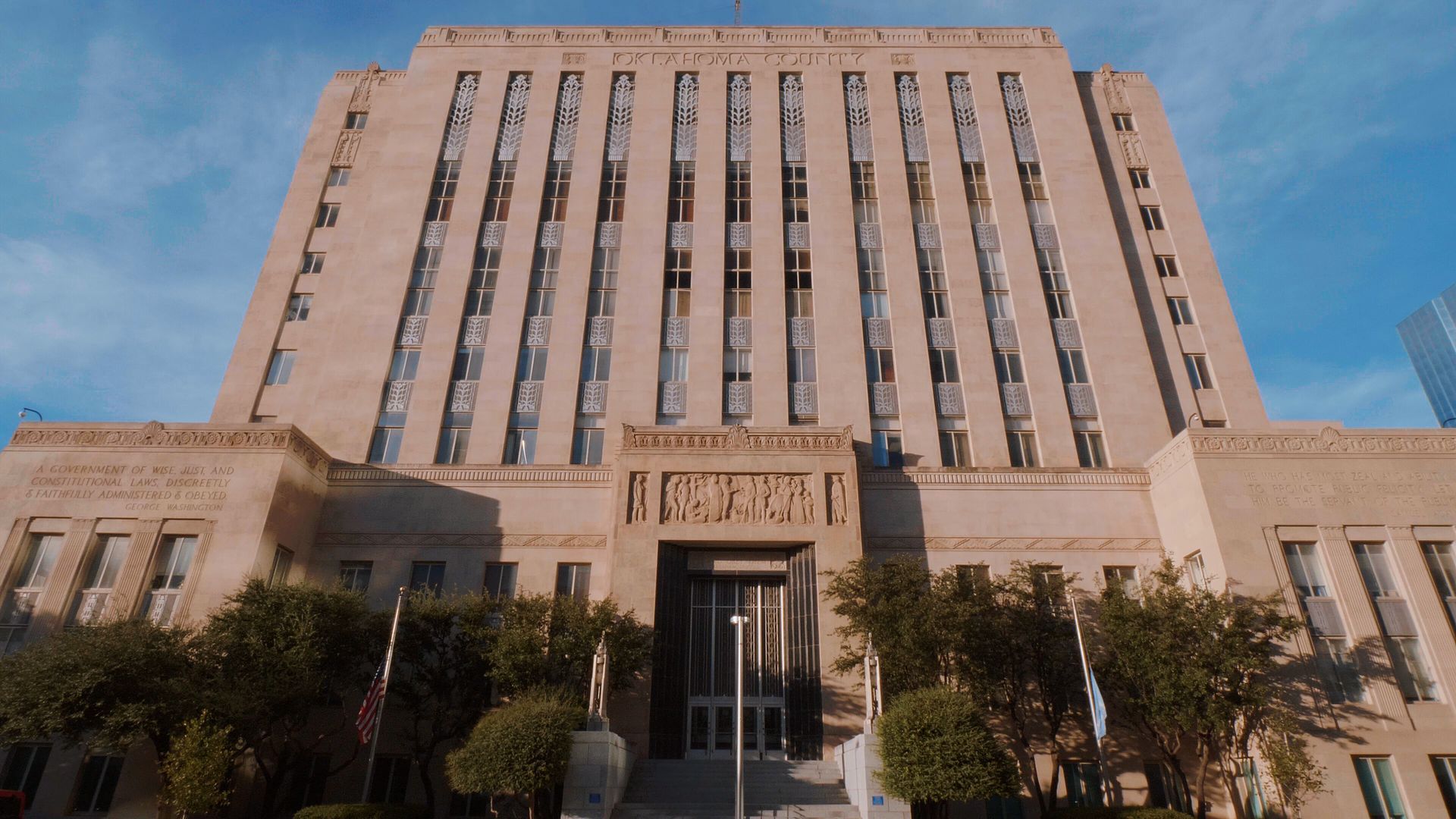
Oklahoma County
The busiest probate docket in the state and the one with the most regular calendar. Hearings can generally be set without a long wait, and the volume means the procedural expectations are well settled. Most of our probate work is filed here.
Cleveland County (Norman)
An active docket serving a large and growing population. Filings involving University of Oklahoma retirement accounts and residential property in Norman and Moore are common, and the process runs predictably.
Canadian County (El Reno)
Rapid residential growth in Yukon and Mustang has increased the caseload considerably. Estates here often include agricultural land, which brings valuation and legal description questions that do not come up in a purely residential estate.
Pottawatomie County (Shawnee)
A smaller docket, which usually means straightforward scheduling. Estates in this area more often include family land held for generations, and that history sometimes surfaces title issues that need to be cleared before the estate can close.
Outside the Metro
We handle probate anywhere in Oklahoma, including Tulsa, Lawton, and the rural counties. In smaller counties the probate docket may only be called once or twice a month, which can add a few weeks between steps. It is rarely a problem when the filings are prepared correctly the first time, and it is a real problem when they are not, because a rejected filing means waiting for the next docket rather than the next day.

What You Can Do to Keep It Moving
The statutory waiting periods are fixed. Nearly everything else is within your control.
Gather the documents before the first meeting. This is the single largest source of avoidable delay. Come with the original will rather than a copy, several certified copies of the death certificate, current addresses for every heir and beneficiary, a preliminary list of assets with approximate values, a list of known debts, recent statements for every account, deeds for any real estate, and whatever documentation exists for oil, gas, or mineral interests.
Order more death certificates than you think you need. Five to ten. Every financial institution wants its own certified copy and none of them return it.
Do the valuation math carefully before filing. Whether the estate lands above or below $200,000 determines the entire timeline. It is worth an hour of care at the start.
Keep the heirs informed. People are patient when they know what is happening and impatient when they do not. A short update every month prevents most of the friction that turns a nine-month probate into an eighteen-month one.
Do not distribute anything early. A personal representative who hands out property before the court authorizes it can be held personally responsible for the shortfall if a valid claim arrives later. Wait for the order.
What Probate Costs in Oklahoma
Time is one cost. Here is the other, stated accurately, because this is an area where online guidance is frequently wrong.
District court filing fees for a probate generally run in the low hundreds of dollars depending on the county, with additional charges for certified copies and publication.
Personal representative commissions are set by statute. Under 58 O.S. Section 527, when the will does not provide compensation, the representative is allowed five percent of the first $1,000 of the estate, four percent of the next $5,000, and two and one half percent of everything above $6,000. The court can allow more for extraordinary services, capped at the amount of the base commission. Family members serving as personal representative often waive the fee entirely, though they are not required to.
Attorney fees in an Oklahoma probate are a different matter, and this is where a good deal of published information gets it wrong. Oklahoma does not fix probate attorney fees by statute at a percentage of the estate. Fees must be reasonable and are subject to court approval. Any attorney you speak with should be willing to explain in plain terms how their fee will be calculated in your specific case before you engage them.
Other costs depend on the estate: real estate appraisals, business valuations, accountant fees for final tax returns, publication charges, and a bond premium if the court requires a bond.
How to Keep Your Family Out of Probate Entirely
The fastest probate is the one that never opens. Most Oklahoma families can pass the bulk of what they own without a court case, using tools that are neither exotic nor expensive.
A revocable living trust is the most complete option. Assets titled in the trust pass under its terms without probate, and the successor trustee can begin distributing right away. Trusts are particularly worthwhile for anyone who owns real estate in more than one state, holds mineral interests, or wants privacy, since probate filings are public and trust administration is not.
A transfer-on-death deed lets you name who receives your Oklahoma real property at death, without probate. The property remains fully yours during your lifetime and the deed can be revoked or changed at any time.
Beneficiary designations on retirement accounts, life insurance, and brokerage accounts pass those assets directly. Reviewing them every few years, and after every marriage, divorce, birth, or death in the family, is one of the highest-value hours anyone can spend on their estate.
Payable-on-death designations on checking and savings accounts do the same thing for everyday banking, usually at no cost.
Joint tenancy with right of survivorship passes property automatically to the surviving owner. It works well for a marital home and joint accounts, though it carries tax and creditor consequences worth discussing before you retitle anything.
Our estate planning practice exists largely to spare families the process described in the rest of this article. If you have read this far because you are watching a probate unfold and thinking about your own family, that instinct is the right one.
Frequently Asked Questions
What is the shortest a probate can take in Oklahoma?
Roughly two months for a summary administration with a single hearing, no creditor disputes, and a cooperative docket. Faster is not realistic, because the statutory notice period has to run before the court can order distribution. A small estate affidavit is quicker at about ten days, but it is not probate and it cannot transfer real estate.
Can heirs receive anything before probate is finished?
Usually not. A surviving spouse and minor children may be entitled to a family allowance during administration, and a court will sometimes authorize a partial distribution when it is clear the estate comfortably covers every debt. In most cases, though, distribution waits for the final order.
What happens if there is no will?
The estate is administered as an intestate estate, and Oklahoma's intestate succession statutes determine who inherits and in what shares. The timeline is essentially the same. The court appoints an administrator instead of an executor, and the heirs are set by statute rather than by the will.
Does a house have to go through probate in Oklahoma?
If the house is titled solely in the name of the person who died, yes. A small estate affidavit cannot transfer real estate. If the property was held in joint tenancy with right of survivorship, held in a trust, or covered by a transfer-on-death deed, it passes outside probate.
How long do creditors have to file a claim in an Oklahoma probate?
The notice to creditors sets a presentment date, and in a traditional probate that date must be at least two months after the notice is filed. Claims not presented by that date are generally barred, with narrow exceptions for secured creditors and for cases where proper notice was not given.
Can probate be handled remotely?
Yes. We handle probate for clients throughout Oklahoma, including personal representatives who live out of state, and most of the work is done without in-person meetings. Documents can be signed and notarized remotely, and many court appearances can be handled by counsel.
What if the original will cannot be found?
Oklahoma allows a copy of a will to be admitted, but only after the court is satisfied that the original was not destroyed by the person with the intent to revoke it. That takes evidence about where the original was kept and what happened to it, and it adds time and expense compared with filing the original.
Does Oklahoma have an estate tax or an inheritance tax?
No. Oklahoma repealed its estate tax for deaths occurring after January 1, 2010, and it has never had an inheritance tax. Beneficiaries owe no Oklahoma tax on what they inherit.
How much does a probate attorney cost in Oklahoma?
Attorney fees in probate are not fixed by statute in Oklahoma. They must be reasonable and are subject to approval by the court. What that means in practice depends on the size of the estate and the work involved, and any attorney should be willing to explain the basis for their fee before you engage them.
Do I need a lawyer for an Oklahoma probate?
Oklahoma allows a personal representative to proceed without counsel, but the procedural requirements are unforgiving and a representative can be held personally liable for mistakes. Any estate involving real property, mineral interests, a business, or a disagreement among heirs is worth handling with counsel.
Talk to an Oklahoma Probate Attorney
We have handled probate in Oklahoma City for decades, in Oklahoma, Cleveland, Canadian, and Pottawatomie Counties and across the state. If you are holding a stack of paperwork and wondering where to start, or you are not sure whether the estate qualifies for the faster track, that is a short conversation and worth having before anything is filed.
You can also read more about how we handle probate, about estate planning that keeps your family out of court, or about Danny B. Nichols.
Disclaimer: This article provides general information about Oklahoma probate procedure and is not legal advice. Probate outcomes depend on the specific facts of the estate, the county where it is filed, and circumstances that vary case to case. For guidance on a particular estate, consult a licensed Oklahoma probate attorney.